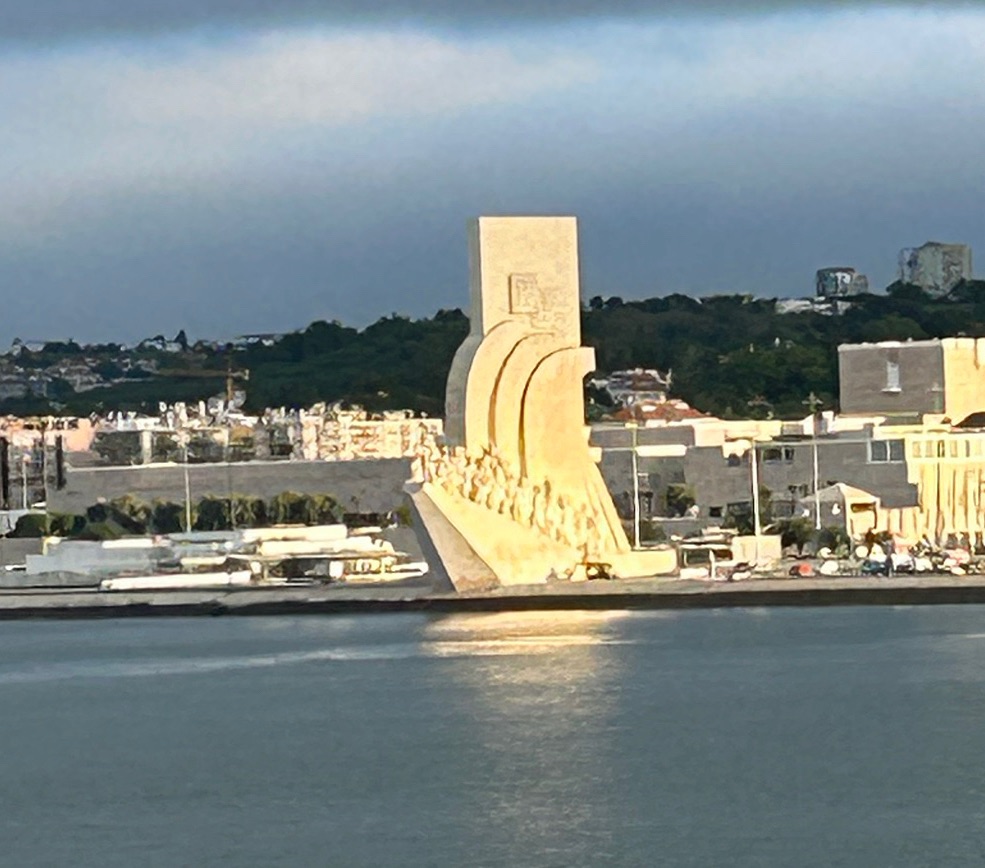
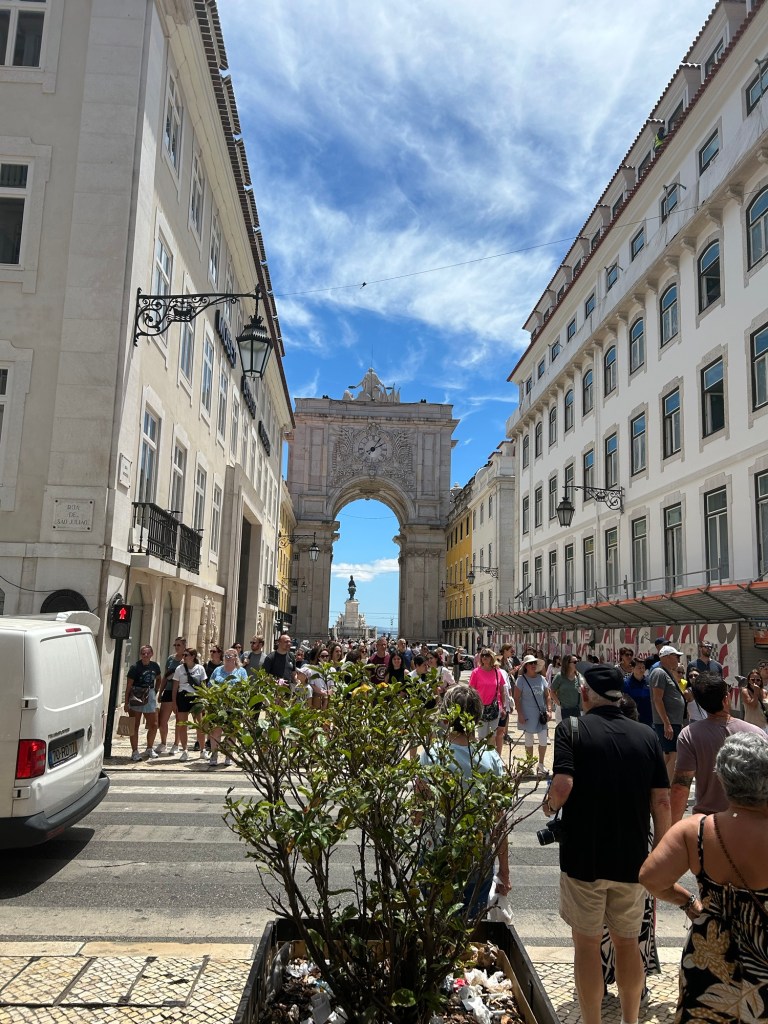
One of my favorite cities on earth.
Day 1
Wine tasting and Pastel de Nata
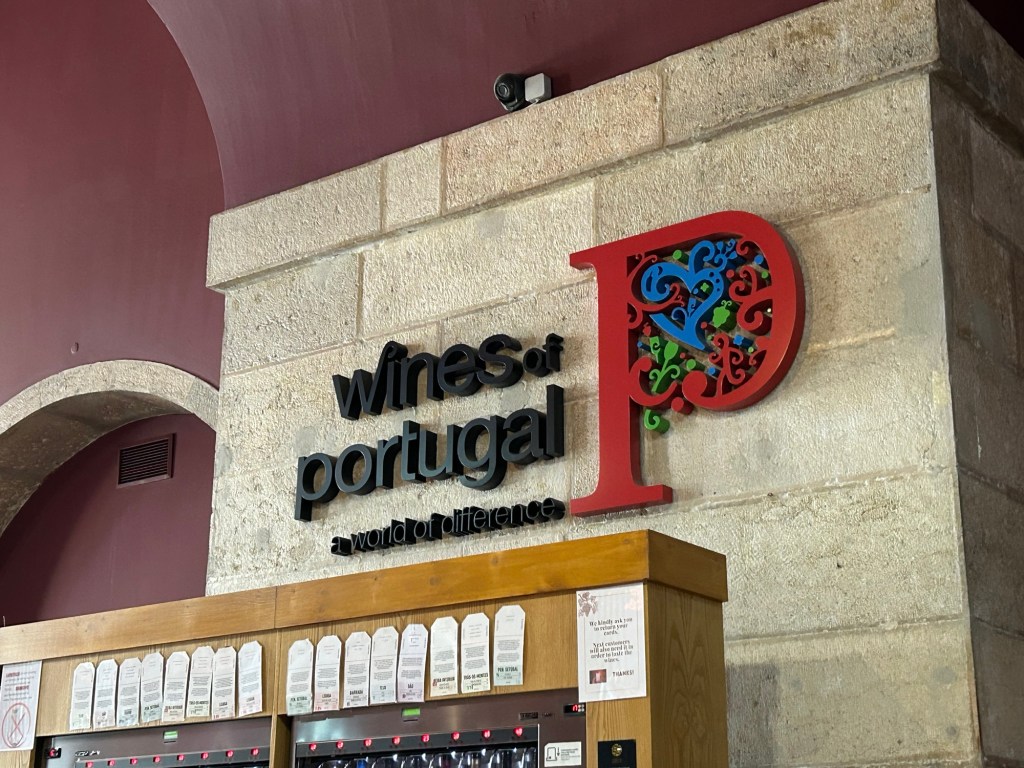
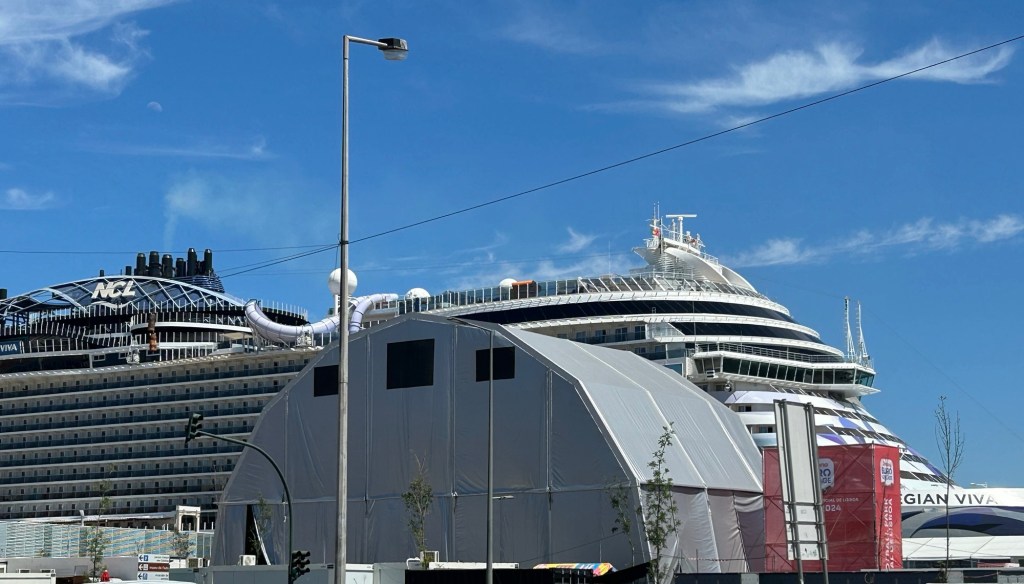
Left the ship in search of wine and pastries.
Day Two- A tour with Liliana
Joe and I met Liliana on our first trip to Lisbon in 2019. That trip she and her husband Sylvester were our guides for Fatima. Then in 2022 they guided us to Sintra. This time three distinct sites.
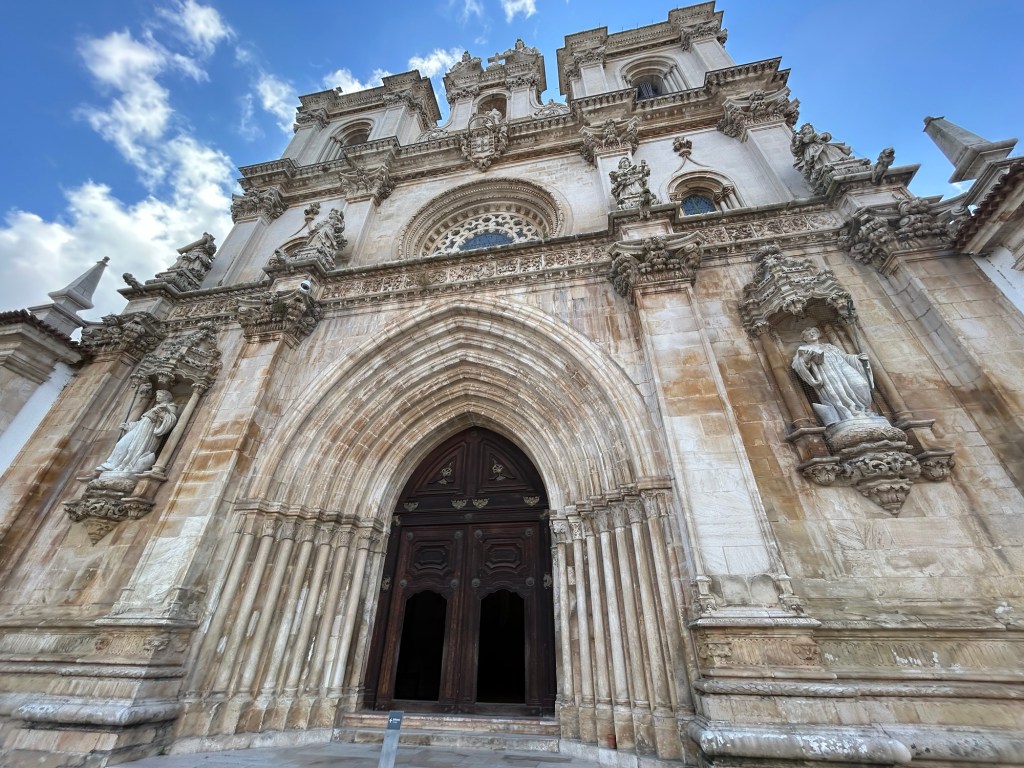
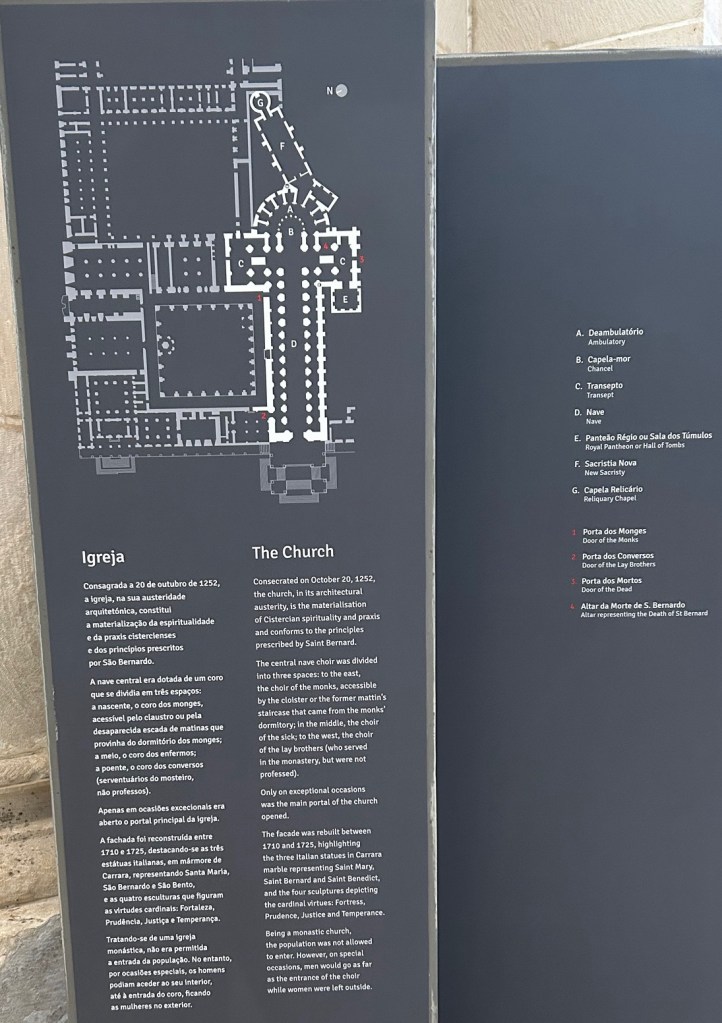
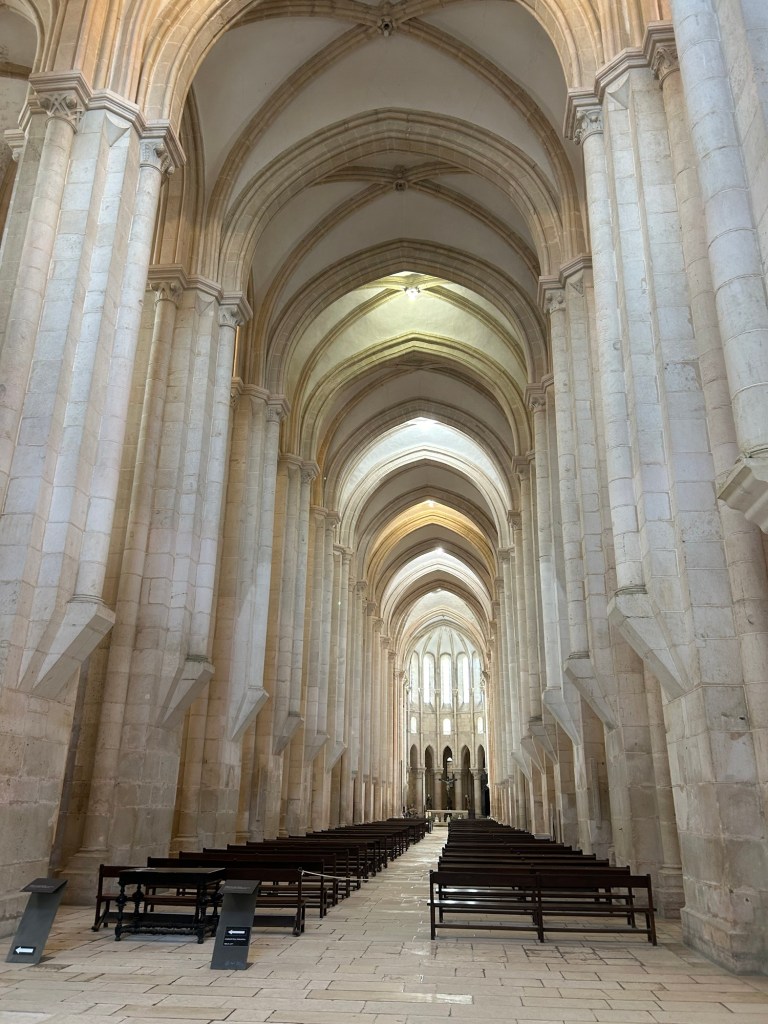
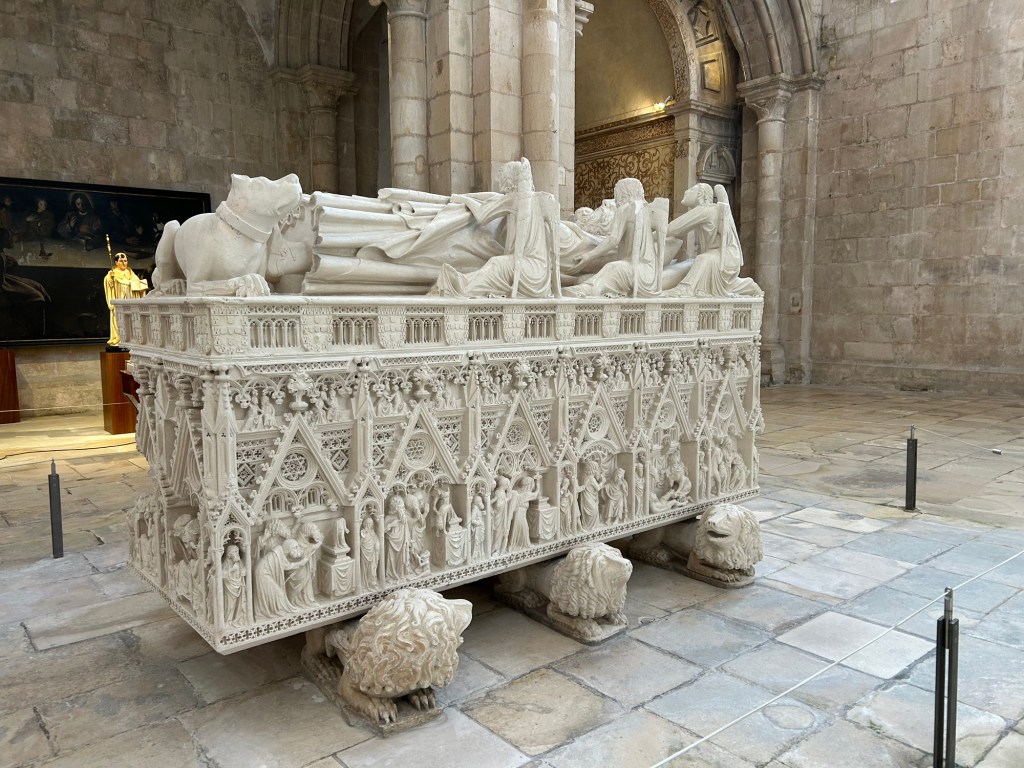
Pedro I, whose reign began in 1360, died on January 18th, 1367.
A leading figure in a story of forbidden love, he maintained the memory of his loved one by having her buried near him in the Monastery of Alcobaça.
The tomb narrates the Life of St Bartholomew, the King’s patron saint. A depiction of the Wheel of Life symbolises his own life story and his love for Inês de Castro.
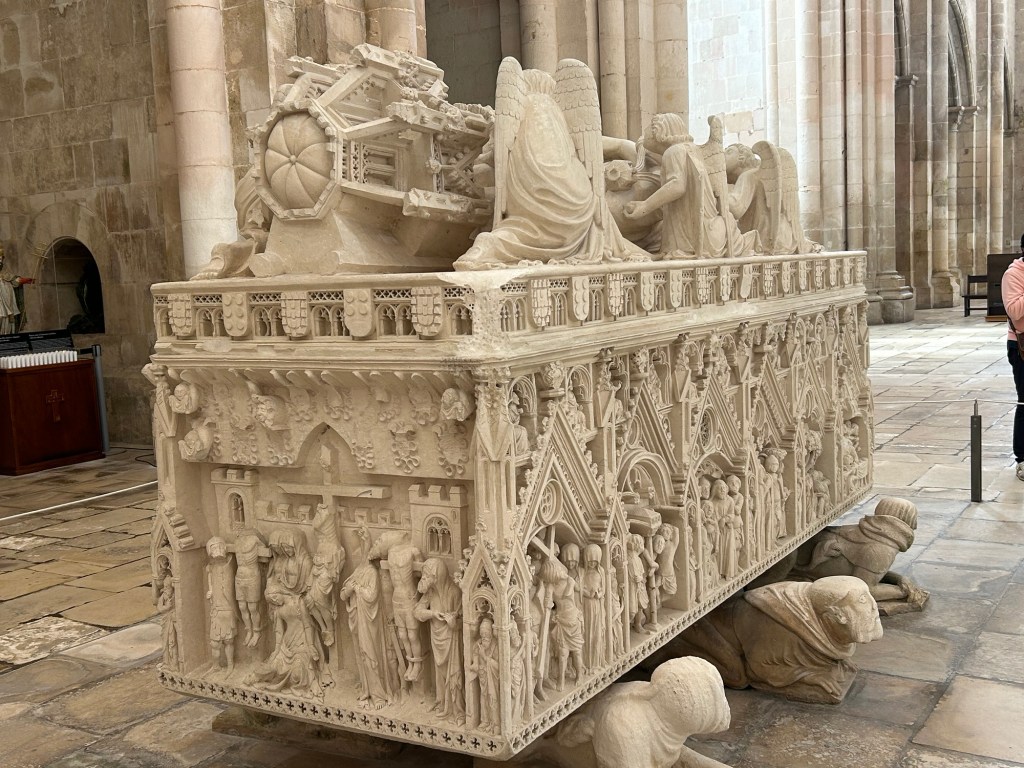
Inês de Castro, a Galician noblewoman with whom the then Crown Prince Pedro fell in love, was assassinated by order of his father, Afonso IV, in Coimbra, in 1355.
The tomb represents scenes from the Life and Death of Christ, in a clear analogy with her life. The Last Judgement closes the narrative, with the Salvation of the Innocents and the condemnation of the guilty.
After learning of this tragic love story we headed for a beautiful area
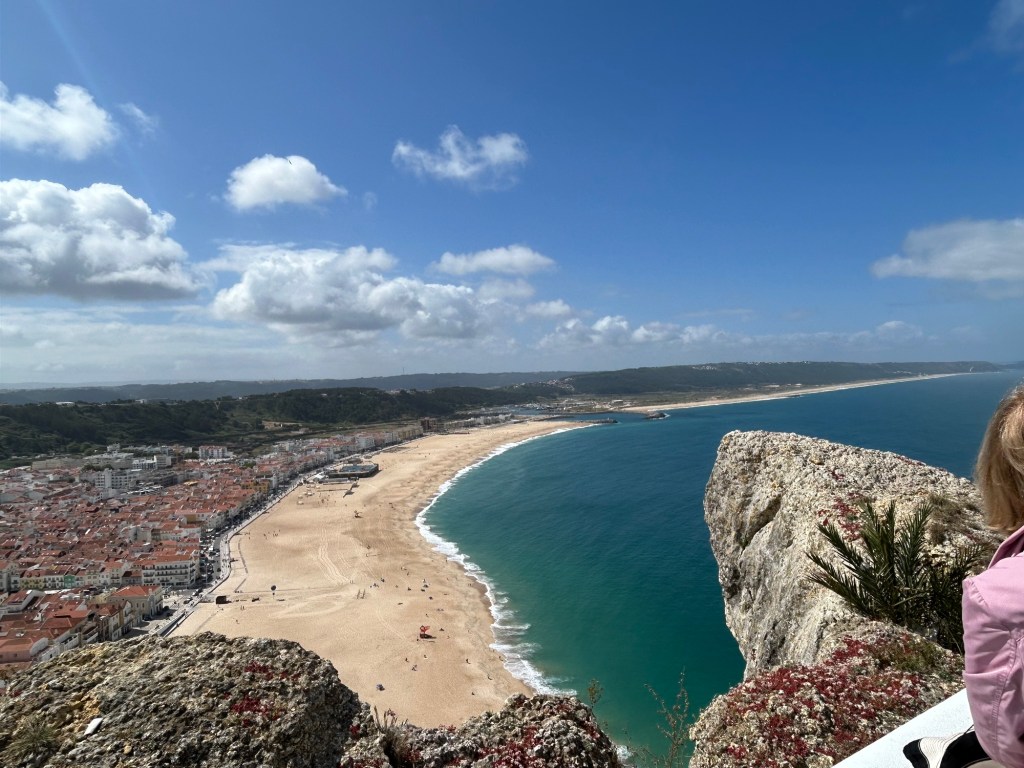
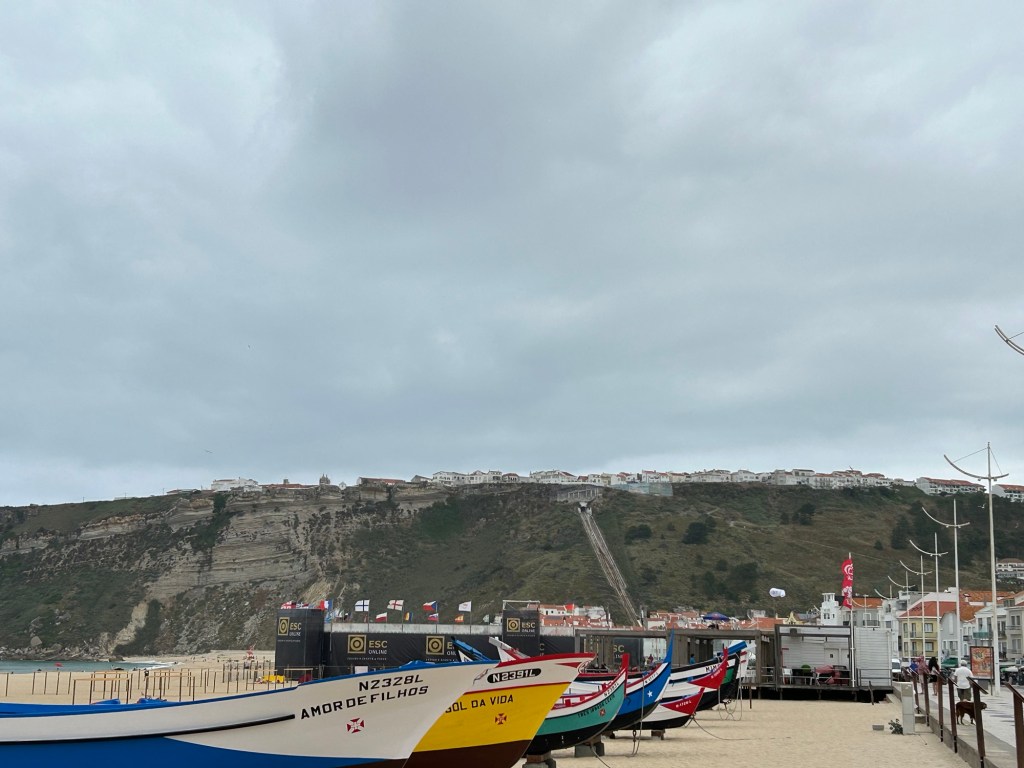
Nazare, named after the Biblical “Nazareth” in the 4th century, is Portugal’s most famous fishing village, now becoming important as well in the world of big wave, tow-in surfing. The tallest wave ever recorded being surfed – by a Hawaiian big-wave surfer – was off Nazare.
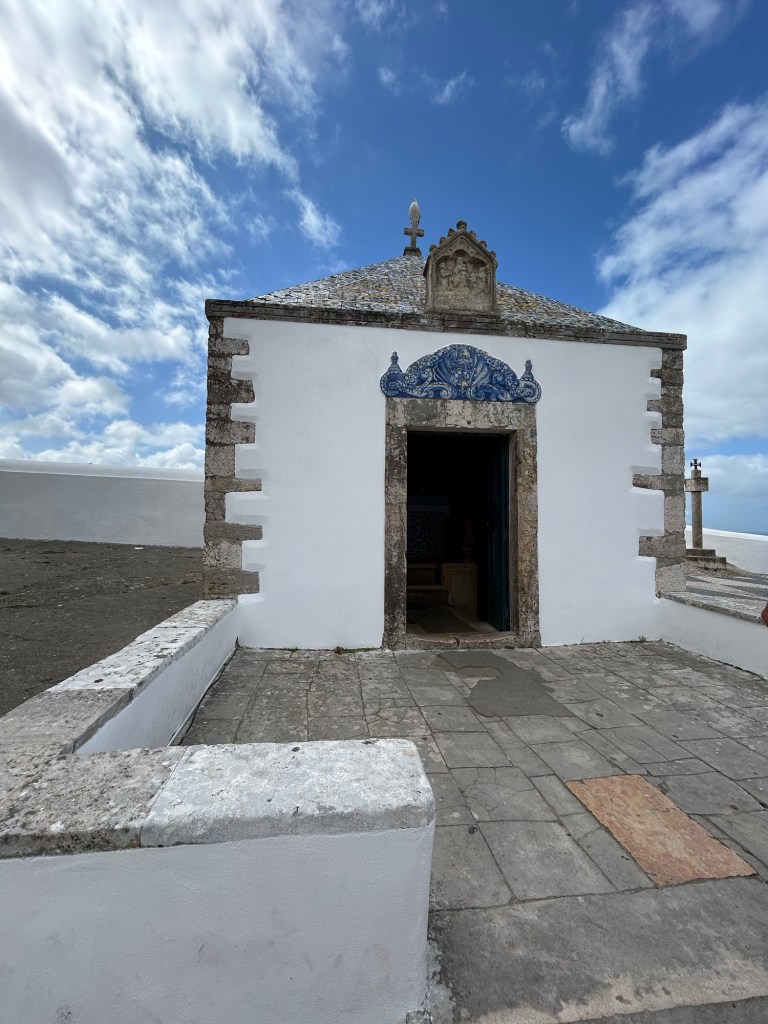
The small Capela da Memoria Chapel is of great importance for the village of Nazaré, representing the foundation of this fishing village.
The chapel is built right in the edge of the enormous cliffs. According to the legend, it was D. Fuas Roupinho, major governor of Porto de Mós, a nearby village, who ordered it built.
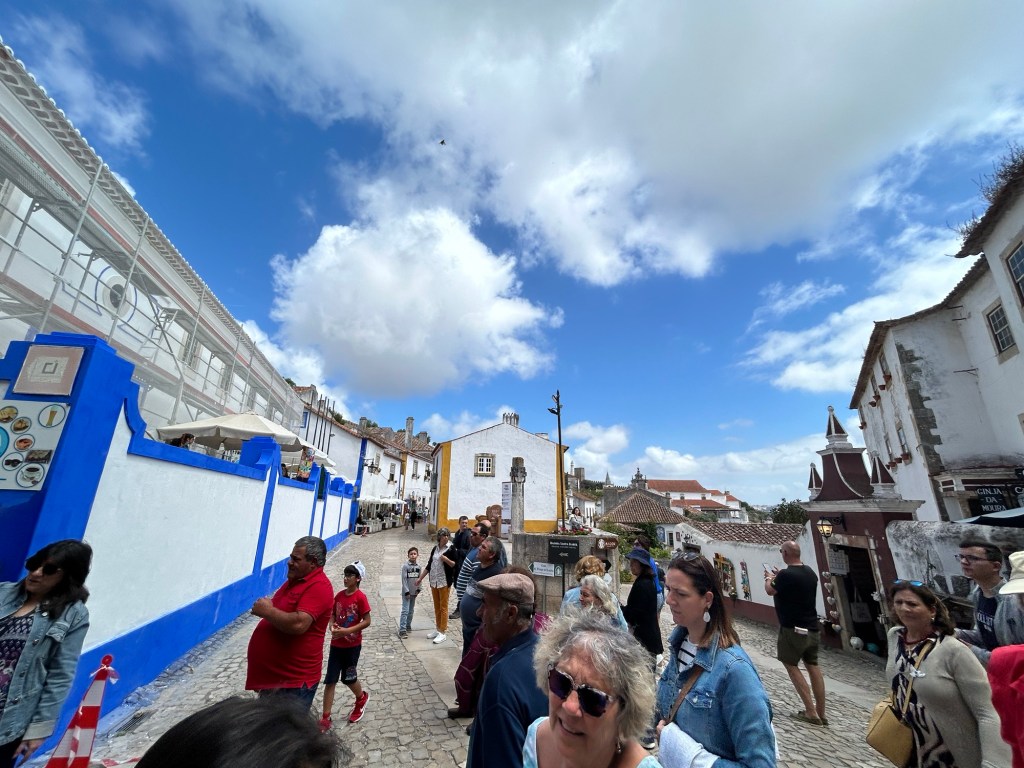
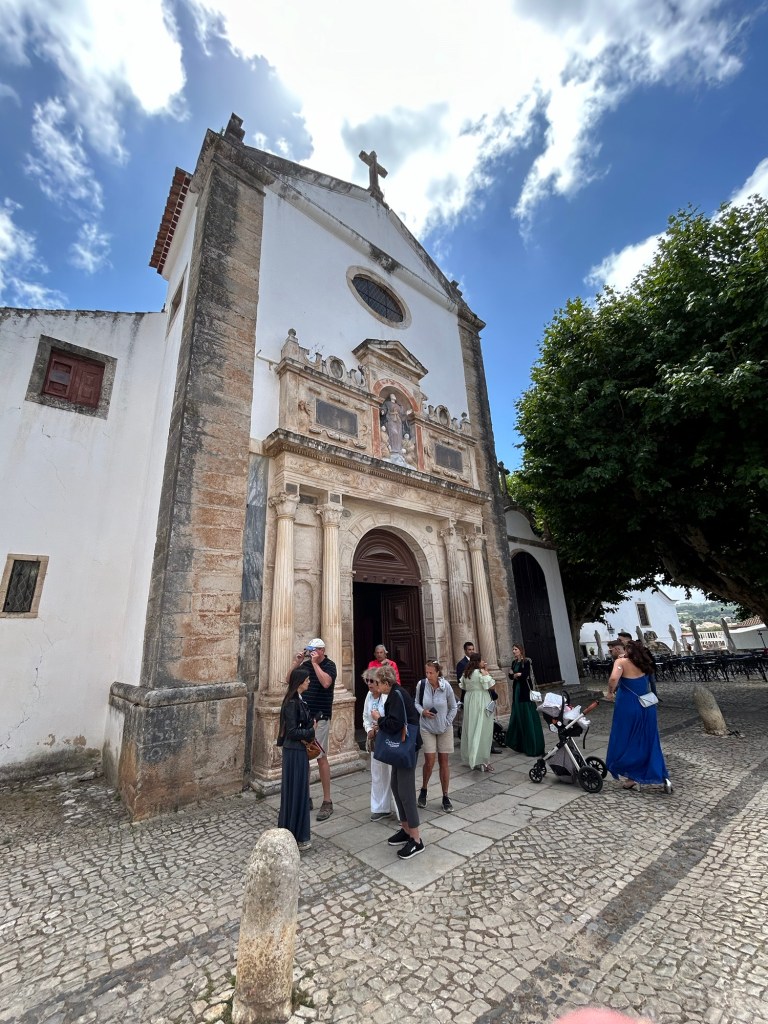
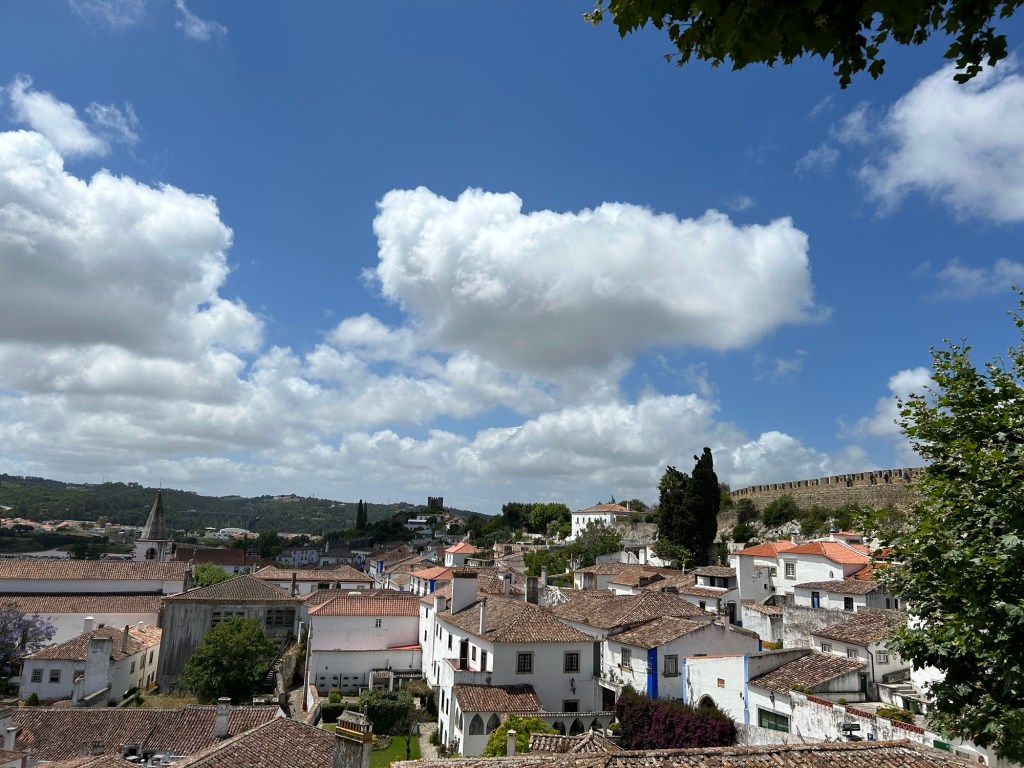
Liliana is a fabulous tour guide. I will gladly share her contact information. But be sure to book her far in advance.
 MO goes Around the World
Leave a comment